Showing posts with label Background info. Show all posts

Friday

Frequently Asked Questions About Joints & Rheumatoid Arthritis (RA)

 What is Rheumatoid Arthritis?

RA is an autoimmune disease where the immune system mistakenly attacks the lining of the joints. This causes inflammation, pain, swelling, and eventually joint damage.

Joints & Rheumatoid Arthritis (RA)

Common Questions

1. How is RA different from osteoarthritis?

  • Osteoarthritis is wear-and-tear on cartilage, often age-related.

  • RA begins with inflammation of the synovial lining and can affect multiple joints symmetrically (e.g., both hands).

2. Is RA hereditary?

  • There’s a genetic component, but RA isn’t directly inherited. Most people with RA don’t have first-degree relatives with the condition.

3. What joints are usually affected?

  • RA typically targets smaller joints first—hands, feet, wrists—but can also affect knees, hips, elbows, and shoulders. More about joints and RA here. 

4. What are the early symptoms?

  • Morning stiffness lasting over an hour

  • Swollen, tender joints

  • Fatigue and low-grade fever

  • Symmetrical joint pain (both sides of the body)

5. Can RA affect other parts of the body?

Yes. RA can also impact the skin, eyes, lungs, heart, and kidneys due to systemic inflammation.

6. Is there a cure?

There’s no cure yet, but early diagnosis and treatment can slow progression and reduce joint damage.

7. Do I need lifelong medication?

In most cases, yes. Disease-modifying drugs (DMARDs) and biologics help control symptoms and prevent joint damage.

8. Can I get pregnant if I have RA?

Yes. Many people with RA have healthy pregnancies. However, some medications need to be stopped before conception, and flares may occur postpartum.

9. What triggers flares?

Flares can happen without a clear cause, but stress, infections, and overexertion may contribute. Tracking patterns can help manage them.

10. Is all arthritis rheumatoid arthritis?

No. Other types include:

I hope you found some of your questions about RA and the joints answered here. If not just pop your question in the comments section below. 
Questions About Joints & Rheumatoid Arthritis (RA)


Understanding RA Blood Tests: What Anti-CCP and Anti-MCV Antibodies Can Tell Us

Living with rheumatoid arthritis means navigating a world that often misunderstands invisible pain. For many of us, diagnosis wasn’t a moment of clarity—it was a slow unraveling of symptoms, questions, and uncertainty. 

Understanding Rheumatoid Arthritis Blood Tests

I’ve spent years learning how to advocate for myself and others with chronic illness, and one thing I’ve come to value deeply is accessible, accurate information—especially when it comes to the tests that shape our care.

This post is for anyone who’s ever stared at their blood test results wondering what it all means. It’s for the newly diagnosed, the long-haulers, and the quietly courageous. I’ve broken down a recent study on RA biomarkers—anti-CCP and anti-MCV antibodies—into plain language, so you can feel more informed and empowered in your next conversation with your doctor.

Because understanding your body shouldn’t require a medical degree. It should start with validation, clarity, and care.

If you live with rheumatoid arthritis (RA), you’ve probably heard your doctor mention blood tests like anti-CCP or rheumatoid factor (RF). These tests aren’t just medical jargon—they’re part of the puzzle that helps diagnose RA and track how it’s progressing. But there’s another player in the mix that’s gaining attention: the anti-MCV antibody.

A recent study by Feng Dong and Limin Wang (2025) sheds light on how these antibodies work together—and what they can reveal about your RA journey.

What Are These Antibodies Anyway?

  • Anti-CCP (cyclic citrullinated peptide): Highly specific to RA. If this test is positive, it’s a strong indicator of the disease.

  • Anti-MCV (mutated citrullinated vimentin): A newer marker that may reflect disease activity and symptoms like morning stiffness.

  • Rheumatoid Factor (RF): Commonly used, but less specific—can show up in other conditions too.

What Did the Study Find?

Researchers looked at 257 people with RA and tested their blood for all three antibodies. Here’s what stood out:

AntibodySpecificity (How well it identifies RA)
Anti-CCP94.2% ✅ Very high
Anti-MCV84.4% 👍 Good
Rheumatoid Factor84.8% 👍 Good

But it’s not just about numbers. Anti-MCV levels were linked to how long someone had RA and how severe their morning stiffness was. That means it might help track how the disease is affecting your daily life—not just whether you have it.

Why This Matters for You

  • Early diagnosis: Anti-CCP is still the gold standard, but anti-MCV might catch things anti-CCP misses.

  • Monitoring symptoms: Anti-MCV could help doctors understand how your RA is progressing, especially if you’re experiencing fatigue, stiffness, or extra-articular symptoms (like eye or lung involvement).

  • Personalized care: Using both markers together might give a fuller picture of your RA—helping tailor treatment to your unique experience.

What You Can Ask Your Doctor

If you’re navigating diagnosis or wondering why your symptoms don’t match your bloodwork, consider asking:

  • “Have I been tested for anti-MCV as well as anti-CCP?”

  • “Could anti-MCV levels help explain my morning stiffness or fatigue?”

  • “Would tracking both markers help us adjust my treatment plan?”

Final Thoughts

RA is complex, and so is the science behind it. But studies like this one remind us that the medical community is still learning, still listening, and still working toward better tools to support your journey. Whether you’re newly diagnosed or years into managing RA, understanding your bloodwork is one more way to reclaim clarity and control.

Understanding RA Blood Tests


Wednesday

The Rheumatoid Factor Test

The rheumatoid factor blood test (RF) helps diagnose Rheumatoid Arthritis (RA). It measures rheumatoid factor, a chemical in the blood of many, but not all, people with RA. By itself, it does NOT show whether you have rheumatoid arthritis or not.
The Rheumatoid Factor Test gives your doctor more information to consider when diagnosing your condition, it does not necessarily mean you have RA. It is used along with your physical exam, other tests, and your symptoms to help diagnose your condition.  

People with other autoimmune conditions, such as lupus and Sjogren's syndrome, can also have a positive Rheumatoid Factor. So can people with infections such as hepatitis and mononucleosis. 

False positives occur in 5% of healthy individuals and in up to 20% of people over 65 years of age. False positives also occur in inflammatory condition such as Sjögren's Syndrome, Lupus and Systemic Sclerosis.

Some healthy people can have rheumatoid factor in their blood too. Also some people with RA don’t have a positive RA result. That’s why this test will not,

The higher the level in rheumatoid disease the worse the joint destruction and the greater the chance of systemic involvement.

What Abnormal Results Mean

An abnormal result means the test is positive, which means higher levels of rheumatoid factor have been detected in your blood. The higher the level, the more likely one of these conditions is present. There are also other tests for these disorders that help make the diagnosis.
People with the following diseases may also have high levels of rheumatoid factor:
Other blood tests for rheumatoid arthritis:
  • erythrocyte sedimentation rate (ESR)
  • C-reactive protein (CRP)
  • anti-CCP (anit-cyclic citrullinated peptide) 


SOURCES:
  1. Wilson D; Rheumatoid factors in patients with rheumatoid arthritis. Can Family Physician. 
  2. Longmore M, Wilkinson IB & Rajagopalan SR; Oxford Handbook of Clinical Medicine, 2004
  3. MedlinePlus 
  4. WebMD

Friday

What is polyarthritis?

polyarthritis

In this post, we’ll unpack what polyarthritis really is, how it shows up in the body, and why understanding it is a vital step toward compassionate care and advocacy.

Polyarthritis isn’t just a medical term—it’s a lived reality for many navigating chronic pain, fatigue, and the emotional toll of invisible illness. At its core, polyarthritis means inflammation in five or more joints, but its impact stretches far beyond the physical. Whether it stems from autoimmune conditions, viral triggers, or other systemic causes, polyarthritis can disrupt daily life, relationships, and even one’s sense of identity

Polyarthritis is a term used, by a rheumatologist, when a person has arthritis in five or more joints. For example they might have arthritis in their wrists, fingers, knees and ankles all at the same time. It can cause pain and swelling in both large and small joints. It is considered to be an inflammatory condition that can have a variety of causes.

What is polyarthritis?


QUICK FACTS ABOUT POLYARTHRITIS: 
  • It is any type of arthritis which involves 5 or more joints simultaneously
  •  It is usually associated with autoimmune conditions such as rheumatoid arthritis, amyloidosis, psoriatic arthritis, and lupus erythematosus.
  • It may be experienced at any age
  • It is found in both men and women
  • It can also be caused by infection with an alphavirus such as chikungunya virus and Ross River virus. This condition is termed alphavirus polyarthritis syndrome.
Polyarthritis for medical professionals:

MEDICAL ARTICLE: Inflammatory Polyarthritis in the Older Adult


Polyarthritis FAQs

 What is polyarthritis?

Polyarthritis refers to inflammation in five or more joints at the same time. It’s not a specific disease, but a clinical presentation that can result from various underlying conditions—like autoimmune diseases, infections, or chronic arthritis.

What are the common symptoms?

  • Joint pain, swelling, and stiffness

  • Redness or warmth around joints

  • Fatigue or low energy

  • Limited range of motion

  • Symmetrical or asymmetrical joint involvement

  • Occasionally: rash, fever, or weight loss

What causes polyarthritis?

Polyarthritis can be triggered by:

  • Autoimmune conditions (e.g. rheumatoid arthritis, lupus)

  • Viral infections (e.g. rubella, mumps)

  • Post-infectious inflammation

  • Genetic predisposition

  • Environmental factors like smoking or stress

How is it diagnosed?

Diagnosis typically involves:

  • Physical examination of joints

  • Blood tests (e.g. rheumatoid factor, ANA)

  • Imaging (X-rays, ultrasound, MRI)

  • Reviewing medical history and symptom patterns

What treatments are available?

Treatment depends on the cause, but may include:

  • Anti-inflammatory medications (NSAIDs, corticosteroids)

  • Disease-modifying drugs (DMARDs, biologics)

  • Physiotherapy and gentle exercise (e.g. swimming, walking)

  • Lifestyle changes to reduce joint stress

Can polyarthritis be prevented?

While not always preventable, you can reduce risk by:

  • Managing autoimmune conditions early

  • Avoiding smoking and excessive alcohol

  • Staying physically active with joint-friendly movement

  • Supporting immune health

 Is polyarthritis the same as rheumatoid arthritis?

Not quite. Rheumatoid arthritis is a specific autoimmune disease that can cause polyarthritis. Polyarthritis is a broader term describing joint inflammation in multiple areas, which can stem from various causes.

Which doctor should I consult about arthritis?

A rheumatologist is the specialist best equipped to diagnose and manage polyarthritis.

 Is polyarthritis contagious?

No, polyarthritis is not contagious. It’s often linked to internal immune responses, not external transmission.

Living with polyarthritis can feel like navigating a maze—physically, emotionally, and systemically. But understanding the condition is a powerful first step toward reclaiming agency. Whether you're newly diagnosed or supporting someone through it, remember: your experience is valid, your pain deserves recognition, and your voice matters. With the right tools, compassionate care, and community support, it’s possible to move from confusion to clarity, and from isolation to connection. You are not alone in this.

SOURCES:

Cleveland Clinic

Medical News Today

Preventing rheumatoid arthritis

 
Some people have recently asked if rheumatoid arthritis can be prevented. Until the cause is understood it may be difficult to stop it.  Some factors do increase your risk of getting it and they include your gender, genetics and age but none of these factors can be controlled. Environmental factors are also thought to be a factor in the development of RA and I suppose they can be controlled to some degree.
      
Genetics certainly is a complex area and the genetics of rheumatoid arthritis are complex. "The genetic component of RA is widely investigated: the strongest gene association is considered to be the one with the human leukocyte antigen (HLA) region, particularly the HLA-DRB1 genes accounting for about two-thirds of the genetics of RA." Arthritis research & therapy

There is one thing that has been shown to increase the risk of rheumatoid arthritis, that can be controlled, and that is smoking.  Recently, it has been reported that smoking is involved in the development of many autoimmune diseases such as RA,  Lupus, Systemic sclerosis, Multiple sclerosis and Crohn's disease.

RESOURCES: Rheumatoid arthritis and smoking: putting the pieces together
Zsuzsanna Baka, Edit Buzás and György Nagy

Thursday

Unsolicited emails

I get 15 emails a day from this blog all from people selling me drugs for Arthritis and other wonder cures. If they worked they would not have to do the hard sell as people would know about them and take them. ( I don't even know how they are getting my email!) I have had to change the settings on leaving a comment here to see if this helps.
Wishing you a pain free day.

Friday

Do I Have Arthritis?


Do I Have Arthritis?

Pain is your body’s way of saying, “Something’s not right.” And when that pain settles in your joints—making it hard to move, bend, or even rest—it might be a sign of arthritis.

Arthritis isn’t just one condition. It’s a broad term for over 100 different diseases that affect the joints and sometimes other parts of the body. The most common types include:

  • Osteoarthritis – wear-and-tear damage over time

  • Rheumatoid arthritis – an autoimmune condition

  • Gout – caused by uric acid crystal buildup

  • Psoriatic arthritis – linked to psoriasis

  • Lupus-related arthritis – part of a systemic autoimmune disease

What Might You Feel?

While joint pain is the most obvious symptom, arthritis can show up in other ways too. You might notice:

  • Swelling, stiffness, or warmth in your joints

  • Fatigue or low energy

  • Fever or unexplained weight loss

  • Skin rashes or itching

  • Trouble breathing or chest discomfort (in autoimmune types)

These symptoms can overlap with other illnesses, so it’s important not to self-diagnose. But if joint pain is persistent, especially if it’s affecting your daily life, it’s worth talking to a doctor.

Bottom Line

Yes—joint pain is the hallmark of arthritis, but it’s not the whole story. Some types affect your immune system, skin, lungs, or even your heart. The earlier you get clarity, the better your chances of managing symptoms and protecting your joints.

Do I Have Arthritis? and what it feels like

Monday

What Is Arthritis?

Many people start to feel pain and stiffness in their bodies over time.

Sometimes their hands or knees or shoulders get sore and are hard to move and may become swollen.

These people may have arthritis (ar-THRY-tis).

Arthritis may be caused by inflammation (in-flah-MAY-shun), of the tissue lining the joints. Some signs of inflammation include redness, heat, pain, and swelling. These problems are telling you that something is wrong.

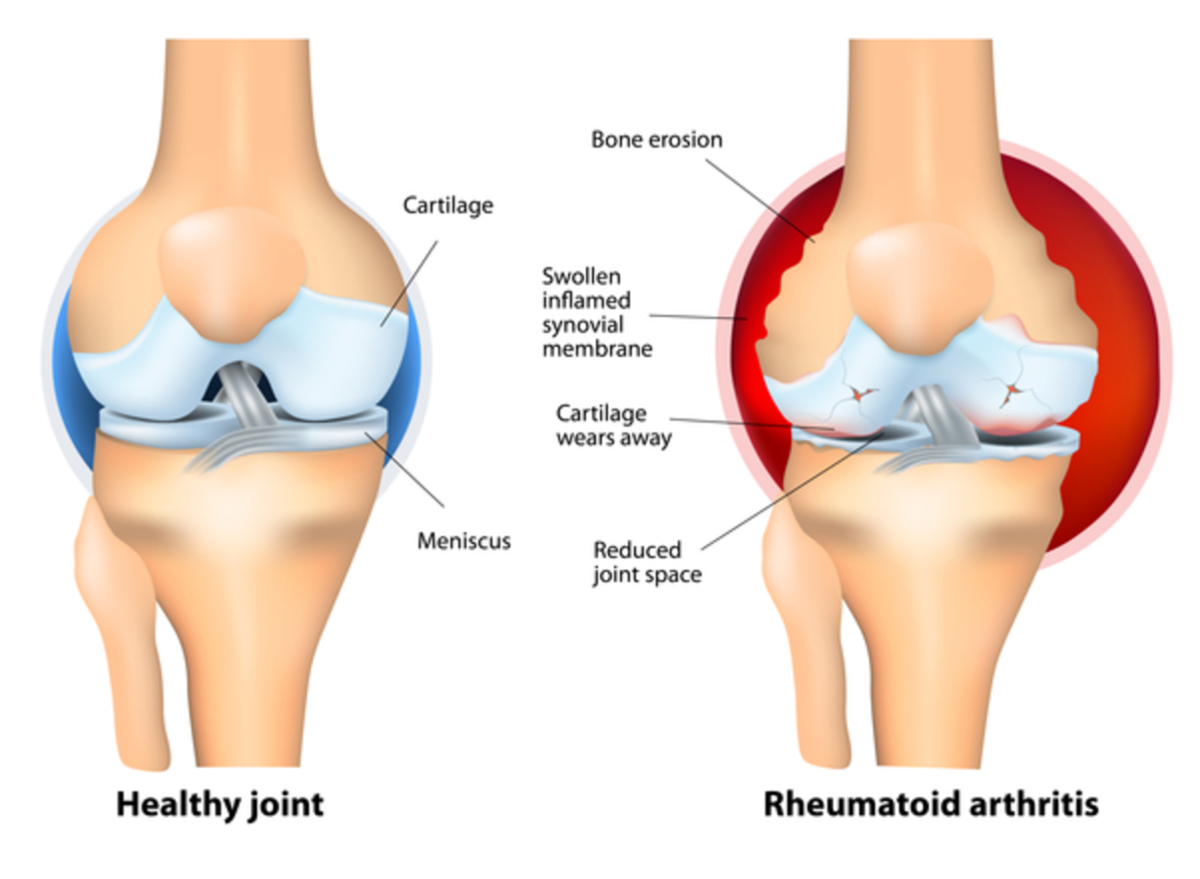
rheumatoid arthritis and normal joint compared


Joints are places where two bones meet, such as your elbow or knee. Over time, in some types of arthritis but not in all, the joints involved can become severely damaged.

There are different types of arthritis.

In some diseases in which arthritis occurs, other organs, such as your eyes, your chest, or your skin, can also be affected.

Some people may worry that arthritis means they won’t be able to work or take care of their children and their family. Others think that you just have to accept things like arthritis.

It’s true that arthritis can be painful. But there are things you can do to feel better.